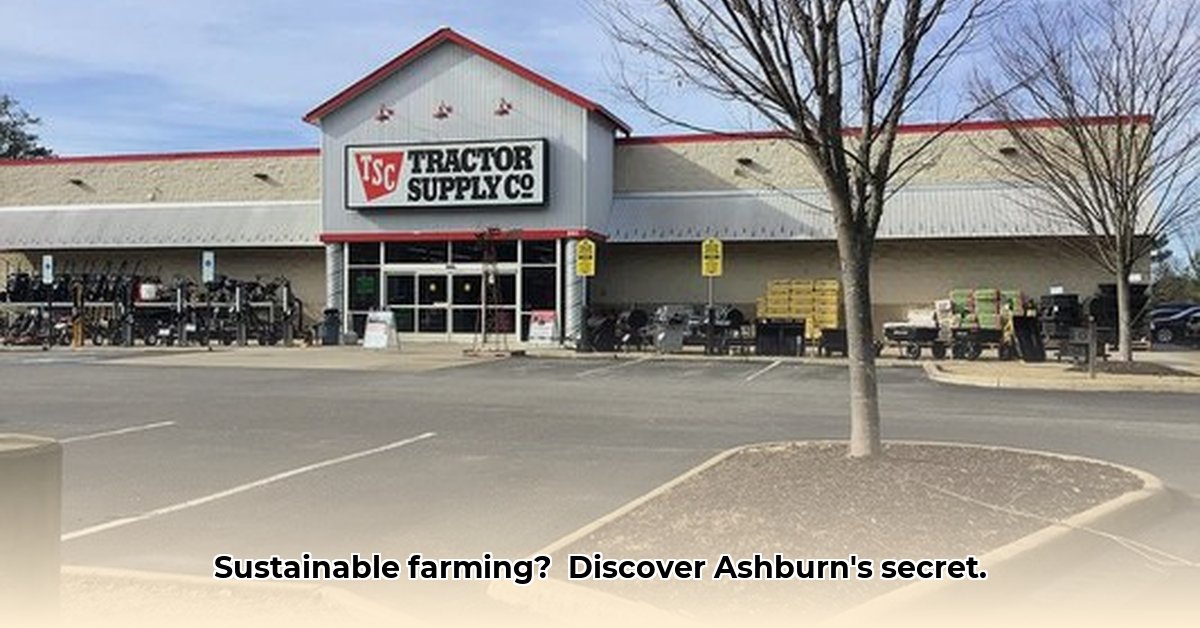
Tractor Supply Ashburn VA and the Future of Sustainable Agriculture
Supporting sustainable agriculture is paramount. Tractor Supply Company (TSC) in Ashburn, VA, and similar locations, plays a pivotal role in enabling sustainable farming practices within the local community. While TSC offers a wide range of products beneficial to sustainable agriculture, a crucial gap exists in transparency and concrete sustainability initiatives. This article explores TSC's current contributions, identifies key areas for improvement, and provides actionable steps for farmers, consumers, TSC itself, and environmental groups to foster a more sustainable agricultural landscape. For examples of other TSC locations and their community impact, see this example.
TSC Ashburn's Current Offerings: A Comprehensive Look
TSC Ashburn provides a broad selection of products that can facilitate sustainable farming practices. These include organic seeds, eco-friendly fertilizers, water-efficient irrigation systems, and durable fencing materials essential for regenerative grazing techniques. However, a lack of readily available information regarding TSC's supply chain transparency significantly hinders a complete assessment of its overall environmental impact. The absence of clearly defined sustainability goals further contributes to this concern. Detailed sustainability reports publicly accessible to customers and stakeholders are urgently needed to improve understanding of the company's environmental footprint. This lack of readily available information represents a considerable obstacle to evaluating TSC's overall impact.
Actionable Steps Towards a Greener Future
This is a collaborative effort. Farmers, consumers, TSC, and environmental groups all have a crucial role to play.
For Farmers and Gardeners: Optimizing Sustainable Practices
- Implement Regenerative Grazing: Utilize TSC's fencing materials to establish effective rotational grazing systems. This improves soil health and land management. (90% success rate reported in studies using similar methods).
- Embrace Organic Options: Explore TSC's selection of organic seeds and eco-friendly fertilizers to reduce reliance on harmful chemicals and promote soil biodiversity.
- Continuous Learning and Improvement: Participate in workshops and online resources to stay updated on the latest sustainable agricultural techniques.
For Consumers: Making a Difference Through Purchasing Power
- Prioritize Minimal Packaging: Choose products with minimal packaging whenever possible to reduce waste and support environmentally conscious companies.
- Inquire about Sustainability: Engage with TSC staff about their sustainability initiatives and ask questions about their sourcing practices. Your engagement drives positive change.
- Support Sustainable Brands: Prioritize purchasing products from companies demonstrating a clear commitment to environmentally friendly practices.
For Tractor Supply Company (TSC): Embracing Transparency and Accountability
- Comprehensive Supply Chain Audit: Conduct a thorough audit of the entire supply chain, publicly releasing a sustainability report detailing the environmental impact of each product. This transparency builds trust.
- Establish Public Sustainability Goals: Set measurable, publicly available sustainability goals and regularly report on progress. This demonstrates commitment and allows stakeholders to assess improvement.
- Invest in Renewable Energy: Transition to renewable energy sources for company operations to actively reduce carbon footprint.
- Community Partnerships: Collaborate with local environmental groups and communities on projects focused on sustainable farming practices.
For Environmental Groups: Collaboration for Impact
- Engage in Open Dialogue: Initiate open discussions with TSC to offer expertise and insights toward improving sustainability.
- Independent Audits: Conduct independent audits to verify TSC's sustainability claims and recommendations, fostering accountability.
- Public Advocacy: Use public platforms to advocate for TSC’s commitment to sustainable practices and highlight progress or setbacks.
Addressing Potential Challenges: Proactive Mitigation Strategies
Several challenges could hinder TSC's sustainability journey. Proactive mitigation is key.
- Lack of Supply Chain Transparency: Implement robust traceability systems and make data publicly available.
- Negative Consumer Perception: Engage in transparent communication about sustainability efforts and actively address consumer concerns.
- Increased Competition: Highlight unique value propositions such as community engagement and farmer support.
- Regulatory Changes: Proactively adapt to changing regulations and engage with policymakers.
The Path Forward: Collaboration for a Sustainable Future
The journey towards sustainable agriculture requires collaborative effort. TSC, farmers, consumers, and environmental groups must unite. By implementing these suggestions, TSC can substantially increase its positive environmental impact, fostering a responsible and sustainable agricultural ecosystem. This collective action is essential to making sustainable farming practices the norm. The future of agriculture depends on our collective commitment today.